Tree Service · Prosper, TX
Tree Planting & Transplanting in Prosper, TX
[Tree Service Prosper Woods Co](/) has spent 15 years putting trees in the ground correctly across Prosper, Frisco, Celina, and the wider Collin and Denton County stretch of DFW — not just taking them down. Tree planting and transplanting covers tree selection and siting, professional tree planting, young tree structural training, and tree transplanting, with calls answered 24 hours a day.
A newly planted tree is a decades-long bet on the right species landing in the right spot, not a hole and a sapling from the nearest big-box rack. Every planting starts with a site assessment weighing sun exposure, drainage through the region's expansive Blackland Prairie clay, and mature canopy spread against the house, driveway, and utility lines — then a species list built for North Texas heat and clay: cedar elm, bur oak, pecan, bald cypress, and live oak sited well clear of structures and each other.
Root-flare depth gets checked on every tree, since Blackland clay punishes a hole dug too deep more than it punishes one dug too shallow. Most residential plantings finish in a single visit, priced with a written quote before any digging starts.
When Prosper's new estate-lot owners and HOA landscape committees choose this crew for planting, they're choosing a coordinated arborist network that plants for the next thirty years of Blackland clay and North Texas summers — not just the photo taken on closing day.
What We Do
Our Tree Planting & Transplanting Services in Prosper
Putting a tree in the ground correctly in Prosper means matching species to Blackland clay and summer heat, planting at the right depth, training young trees while they're still forming their structure, and knowing when an established tree can be moved instead of replaced.
Tree Selection & Siting
Species choice is where most planting mistakes start. Red oaks and live oaks carry real oak wilt exposure — confirmed in 76 Texas counties — and green ash planted through the 1990s-through-2010s subdivision boom sits in emerald ash borer's path now that it's inside the Dallas metro, so new plantings on Prosper's estate lots lean toward cedar elm, bur oak, pecan, and bald cypress instead of repeating the same vulnerable species block after block.
Siting weighs mature canopy spread against the house, driveway, fence line, and any overhead or buried utility run before a single hole gets marked.
Professional Tree Planting
Blackland Prairie clay creates a specific failure mode nurseries warn about — a hole dug too narrow and too deep acts like a bathtub, trapping water against the root ball until it rots. Every planting checks root-flare depth against the visible soil line before backfilling, widens the hole well past the root ball's diameter, and backfills with native soil rather than sealing roots inside imported potting mix.
Staking, mulching to the drip line, and a watering schedule for the first growing seasons round out the visit.
Young Tree Structural Training
A tree trained early skips a decade of corrective pruning later. Structural training in the first few years after planting follows ANSI A300 pruning guidance — establishing a single dominant leader, spacing scaffold branches, and removing competing co-dominant stems before included bark becomes a structural weak point.
Skip this step on a fast-growing species and the tree often needs the kind of corrective work covered on tree trimming by year eight or ten instead of a light pass every year or two.
Tree Transplanting
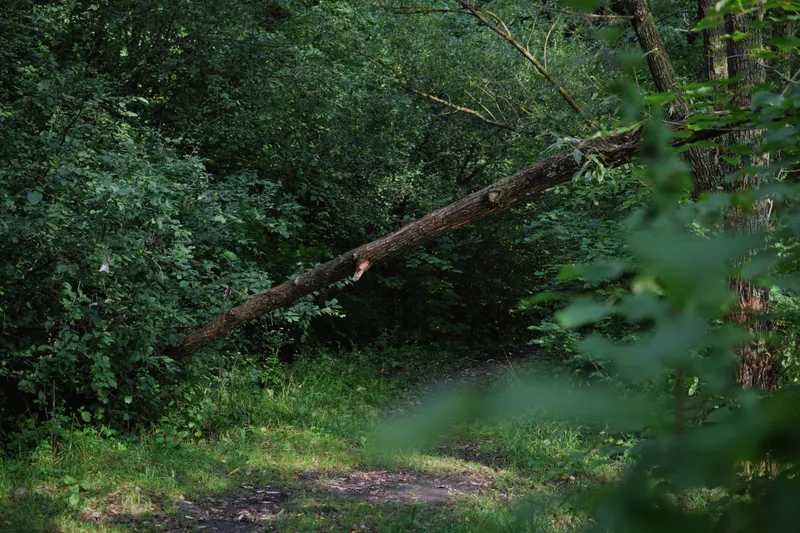
Moving an established tree instead of removing it is realistic on the right species and size — cedar elm, crape myrtle, and smaller live oaks transplant well when the root ball is sized to the trunk's caliper and the move happens while the tree is dormant.
Estate landscaping projects on Prosper's larger acreage lots use this to reposition a tree that's outgrown its spot, or relocate one ahead of a build pad, instead of losing a specimen that's already put in years of growth.
The Benefits
Why the Right Planting Pays Off in Prosper
A tree planted right the first time avoids two expensive outcomes: a species that dies to disease within a decade, and a structural failure from clay-choked roots. Here's what a properly planned planting actually protects.
Building a Canopy From Scratch Without Repeating the Mistake
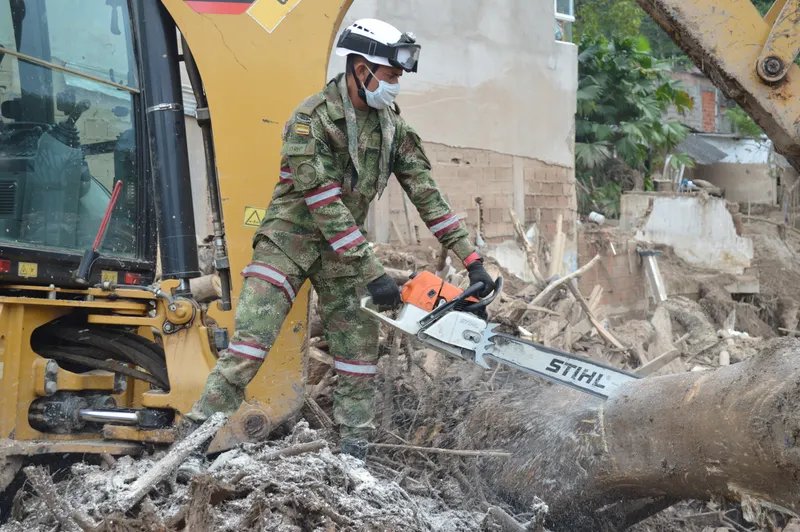
Prosper grew from about 2,000 residents in 2000 to more than 30,000 by 2020, and most of its new estate lots and large-acreage properties on former ranch land start with bare ground and a builder's minimal landscape package. Planting a diversified mix now — rather than one species repeated down every street — means a future drought year or disease outbreak doesn't wipe out a whole block's canopy at once the way a monoculture of ash or red oak eventually will.
Avoiding the Clay Bathtub That Kills Trees Slowly
A tree planted too deep in Blackland clay often looks fine for two or three years before it starts declining for no obvious reason — by then the root flare has been suffocating under wet clay the whole time. Checking root-flare depth against grade before backfilling is the single detail that prevents this, and it's the difference between a tree that establishes normally and one quietly failing from day one.
HOA Streetscapes That Hold Up to the Whole Community's Standard
Windsong Ranch and Prosper's other master-planned communities enforce a uniform look along their streetscapes, and species selected for clay tolerance and heat hold that look years longer than whatever grew fastest in a builder's original planting package. Matching an HOA's approved palette while still diversifying away from oak-wilt- and EAB-vulnerable species keeps a streetscape compliant and resilient instead of picking one over the other.
Not sure whether a struggling tree is a planting-and-replacement job or one worth treating first? Tree health care covers oak wilt and emerald ash borer treatment for trees already in the ground, before a species swap becomes the only option. A brand-new estate lot that still needs the land itself cleared before anything goes into it starts with land clearing. The right species, planted or transplanted right the first time, is what the same Prosper tree service network behind every other page on this site plants for.
Frequently Asked Questions
What's the best time of year to plant trees in Prosper, TX?
Fall through late winter is the best planting window here, since cooler air lets a tree focus energy on root establishment in the Blackland Prairie clay before summer heat arrives. Planting into July or August heat stresses a new tree before its roots have spread, and it needs far more supplemental watering just to survive its first season. Transplanting an established tree follows the same logic — moving it while it's dormant, rather than mid-summer, gives the root ball the best odds of taking in its new spot.
Should I avoid planting red oaks or live oaks because of oak wilt?
Not necessarily avoid them entirely, but oak wilt is confirmed in 76 Texas counties and it's a real factor to weigh, especially on a block where oaks already exist and could share root grafts with a new one. A newly planted oak sited well away from established oaks, or a diversified mix that includes cedar elm, bur oak, and pecan alongside a limited number of oaks, spreads the long-term disease risk instead of concentrating it. An arborist assessment during siting can flag whether nearby root grafts make a given spot riskier than others.
Is it a bad idea to plant ash trees in Prosper right now?
Yes, generally — emerald ash borer has spread to roughly three dozen Texas counties and is already confirmed inside Dallas city limits, close enough that new ash plantings in Prosper would be entering the beetle's path within their own lifetime. Green ash was planted heavily across North Texas subdivisions through the 1990s and 2000s, and that entire generation of trees is now at risk. Species like cedar elm, bur oak, and bald cypress fill a similar role in the landscape without carrying that same exposure.
What is the clay 'bathtub effect,' and how do you avoid it?
It happens when a tree is planted in a hole dug deeper than the root ball and backfilled with soil more compacted than the surrounding ground, so water collects around the roots instead of draining away — effectively a bathtub with no drain. Blackland Prairie clay is dense enough that this failure mode is common with rushed planting. Checking the root flare against the surrounding grade before backfilling, and widening the hole rather than deepening it, is what prevents it, and it gets checked on every tree we plant.
Can you successfully transplant a mature tree instead of removing it?
It depends on the species and size. Cedar elm, crape myrtle, and smaller live oaks generally transplant well when the root ball is sized correctly to the trunk's caliper and the move happens during dormancy, while a large, mature oak with an extensive root system is a much higher-risk move and sometimes isn't practical at all. An on-site look at the species, trunk diameter, and root spread determines whether transplanting is realistic before any equipment gets scheduled.
Do I need a permit to plant a tree on my property in Prosper?
No — the Town of Prosper's tree preservation ordinance governs removing protected trees on developed lots, not planting new ones, so putting a tree in the ground doesn't trigger that permit process. HOA architectural review is a separate matter on properties inside a governed community, where species and placement sometimes need sign-off against the community's approved plant list. Confirming both the town's rule and any HOA covenant before planting avoids a redo later.
What size tree should I plant if I want shade sooner rather than later?
Larger container or balled-and-burlapped stock — commonly 15-gallon up through 45-gallon container sizes, or 2 to 3-inch caliper B&B trees — establishes usable canopy faster than starting from a small 5-gallon whip, though it also costs more upfront and needs more careful root-flare placement given the bigger root ball. A smaller tree often catches up in overall health within several years because it experiences less transplant shock relative to its size. The right call usually balances budget against how soon shade actually matters for the property.
How much does tree planting or transplanting cost in Prosper?
Pricing scales with the tree's size, species, and root-ball weight rather than a flat per-tree rate — a small container tree costs far less to plant than a large balled-and-burlapped specimen or a transplant requiring a tree spade and extra equipment access. Site prep, delivery, and any structural staking add to the total on a new estate lot starting from bare ground versus an established yard. A free on-site assessment prices the actual scope — species, size, and site conditions — rather than quoting a generic number that doesn't hold up once the tree arrives.
Does a newly planted tree need staking, and for how long?
Most container and balled-and-burlapped trees benefit from staking for the first one to two growing seasons, mainly to hold the root ball steady in loose backfill while roots spread into the surrounding clay — not to hold the trunk rigid, which can actually weaken it over time. Ties get checked periodically since a stake left too tight or too long can girdle the bark. Removing staking once the root system has established is part of the standard follow-up on any planting we do.
How is planting different on a brand-new estate lot versus an established yard?
A new estate lot on former ranch land usually starts with compacted construction soil and zero existing canopy, so site prep — breaking up compacted clay, checking drainage, and planning around utility lines that weren't there when the land was pasture — matters more than it does when replacing a single tree in a mature yard. Species selection also carries more weight on a bare lot, since whatever goes in first sets the tone for the property's whole canopy for the next several decades. Established yards more often need transplanting or infill planting around existing trees instead of a full landscape plan from scratch.
Plan Your Tree Planting or Transplant
Species suited to Prosper's clay and heat, planted or moved right the first time. Call (469) 481-1512, open 24 hours.
(469) 481-1512