Tree Service · Prosper, TX
Arborist Consulting in Prosper, TX
A builder grading a half-acre lot off Preston Road needs a document a city planner will accept before the first bucket of dirt moves. A homeowner arguing a claim with an insurer over a leaning heritage oak needs something different — a written finding an adjuster can't wave off. Tree Service Prosper Woods Co coordinates arborist consulting for both, and every scenario between them, across Prosper, Frisco, Celina, and Little Elm, drawing on 15 years of local tree work with calls answered 24 hours a day. This page is the assessment-and-documentation side of the business — inspection, risk scoring, and a report you can act on — not the treatment itself.
Prosper's own growth is what generates most of the demand. The town's population climbed roughly 216% between 2010 and 2020, and the acreage tracts and former cattle-ranch parcels that once sat empty are now custom-home lots where a heritage live oak or post oak that predates the subdivision boom next door has real value — and real risk if nobody's looked at it in a decade. Builders working those same tracts need a preservation plan on file before grading starts, since a mature tree left standing through construction can be damaged by root compaction long before a chainsaw ever touches it.
None of that is treatment. A tree flagged with active oak wilt or emerald ash borer during a consultation gets referred to tree health care for the injection or fungicide work itself, and a tree the assessment scores as an unmanageable hazard gets referred to tree removal. What stays here is the inspection, the TRAQ-based risk methodology behind it, and the written report — the piece an HOA, an insurer, a buyer's agent, or a city reviewer actually asks to see.
The process runs the same regardless of who's requesting it: a site visit, a structured evaluation against the TRAQ (Tree Risk Assessment Qualified) framework and ANSI A300 condition standards, and a written report with findings, photos, and a clear recommendation — monitor, treat, prune, remove, or protect through construction. Blackland Prairie clay complicates a lot of these calls, since root stress from the soil itself can look identical to disease damage until someone actually digs into the cause.
What We Do
Our Arborist Consulting Services in Prosper
A consulting engagement is scoped to what the finding needs to hold up to — a city reviewer, an insurance adjuster, a closing attorney, or just an owner deciding what to do next. Here's how each type of request gets handled.
Tree Risk Assessment (TRAQ)
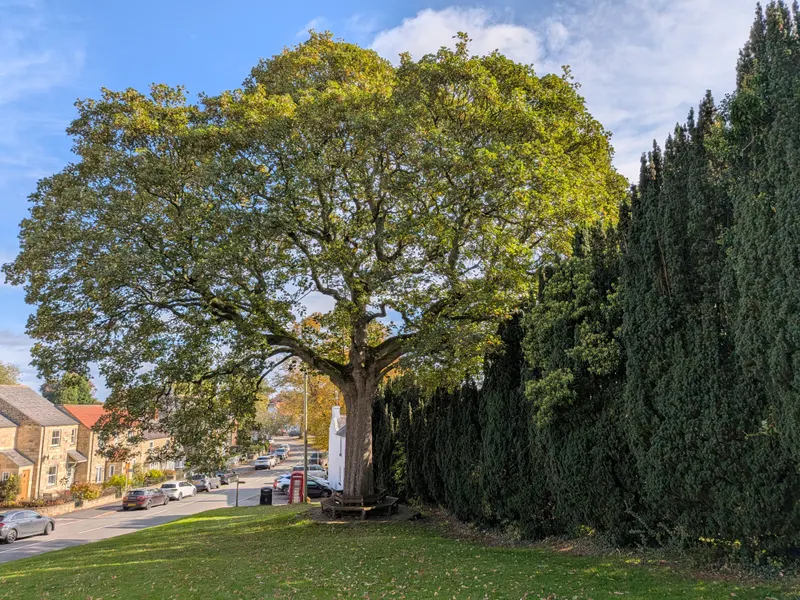
Every risk assessment runs against the TRAQ (Tree Risk Assessment Qualified) framework — the industry structure for scoring likelihood of failure against what's actually underneath the tree, whether that's a driveway, a pool, or a neighbor's fence line. The inspection checks root flare, trunk condition, co-dominant stems and included bark, and canopy structure, then rates the tree's hazard level rather than guessing from the curb.
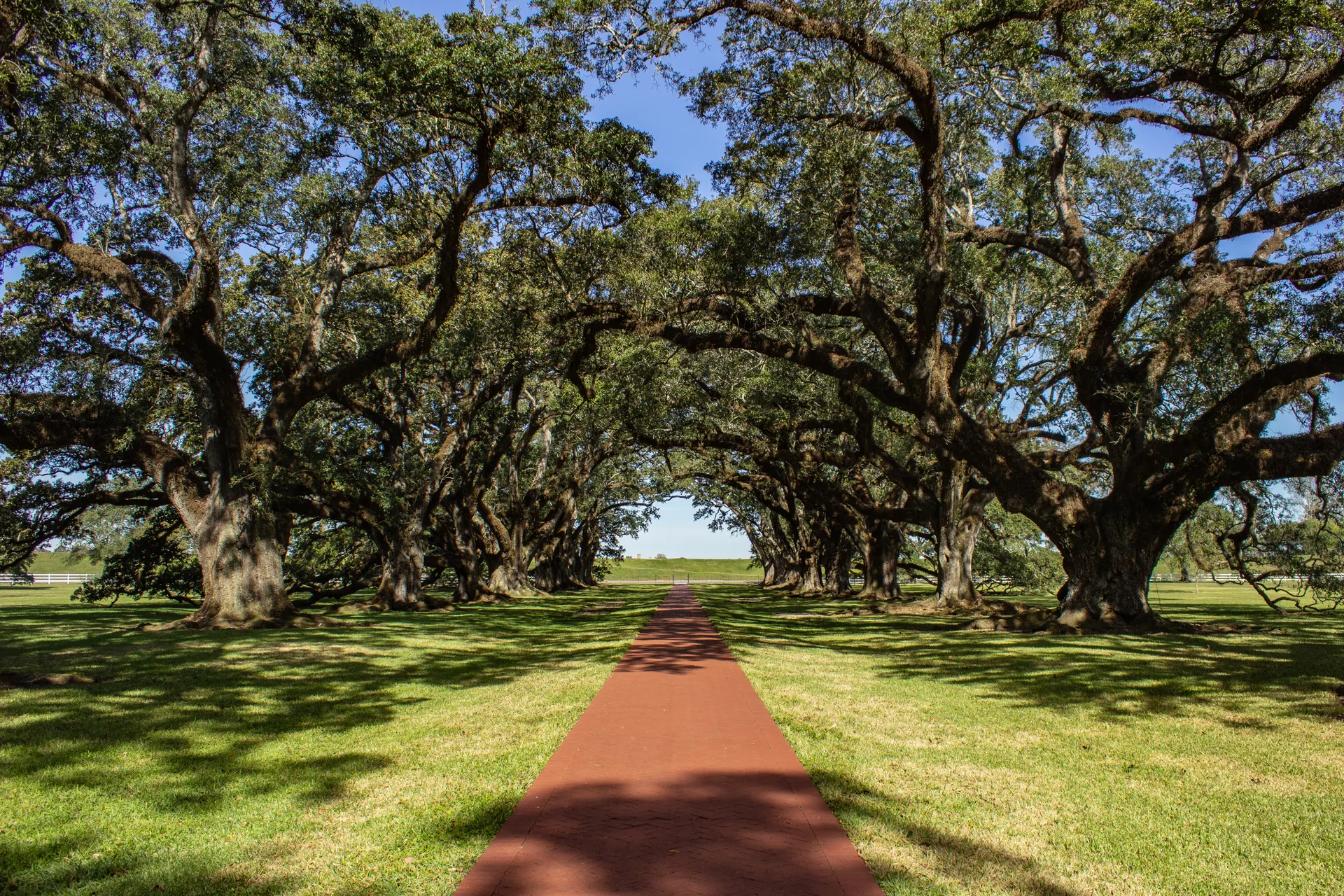
On Prosper's acreage lots, that scoring gets applied to heritage live oaks and post oaks that have stood since before the property was subdivided, where a wrong call carries more weight than on a five-year-old subdivision tree.
Tree Health Inspections & Reports
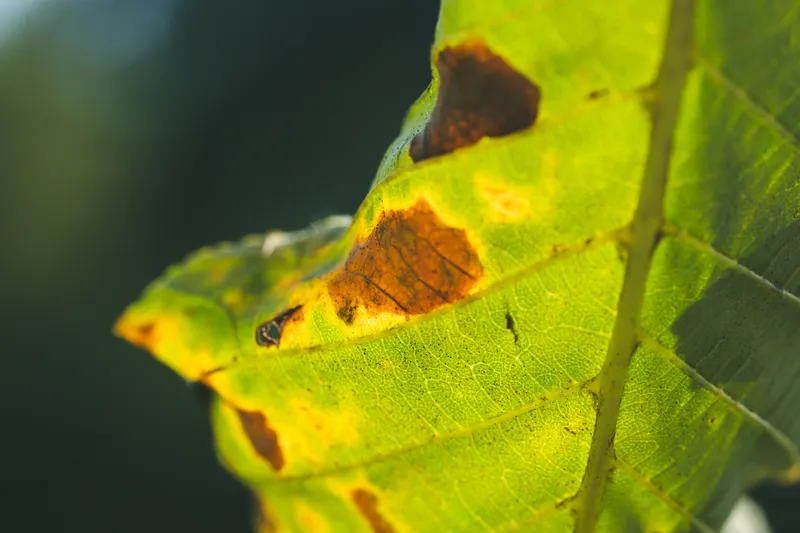
A health inspection asks a narrower question than a risk assessment: is this tree declining, and why? Canopy thinning, off-color foliage, and dieback patterns get checked against the region's two dominant threats — oak wilt, confirmed in 76 Texas counties, and emerald ash borer, confirmed in roughly three dozen — plus root stress from Blackland Prairie clay that mimics disease symptoms on the surface.
The written report separates those causes out and states plainly whether the next step is treatment, monitoring, or a referral to tree health care for active infection.
Tree Preservation Plans
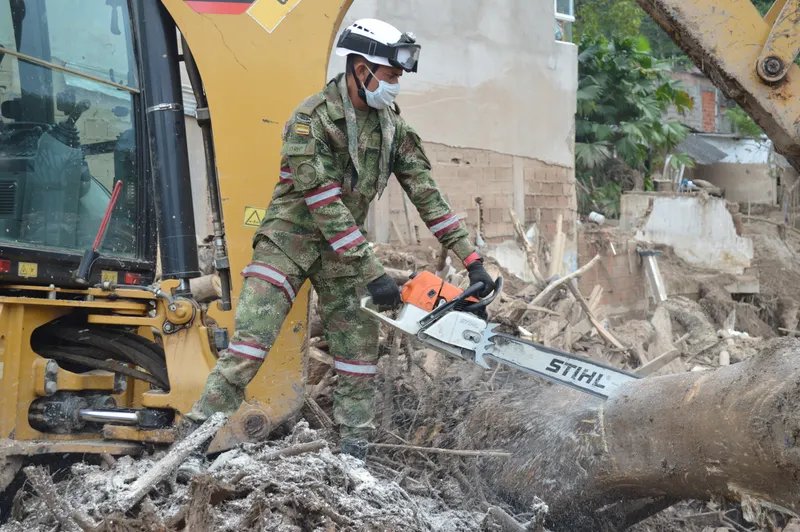
New construction is the single fastest way to lose a mature tree without a saw ever touching it — grading, trenching, and equipment traffic compact roots and change drainage around a trunk that took decades to grow. A preservation plan maps critical root zones, sets protective fencing before ground breaks, and specifies which trees stay clear of grading equipment entirely.
With Prosper's ranch-land tracts converting to custom-home lots at a fast clip, builders increasingly need this plan filed alongside permit paperwork, not produced after the fact once damage is already done.
Real-Estate & Pre-Construction Tree Surveys
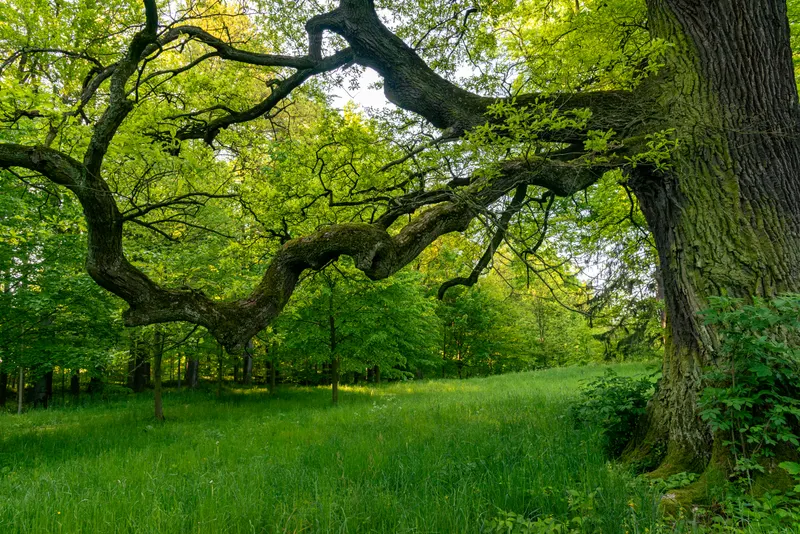
A property changing hands, or a lot heading into a subdivision plat, gets a full tree survey — species, trunk diameter, condition, and estimated age for every tree of consequence on the parcel, tied to a site map a buyer, seller, or civil engineer can actually use.
On an acreage lot with heritage oaks predating the ranch-to-residential conversion, that survey is often what a title company or closing attorney wants on file before a sale closes, since it puts a documented value and condition on trees an appraisal alone won't capture.
The Benefits
Who Actually Needs a Written Arborist Report in Prosper
The report only matters because someone else has to accept it — a permitting office, an adjuster, a buyer's attorney. Here's who ends up requesting one and why.
Builders & Developers
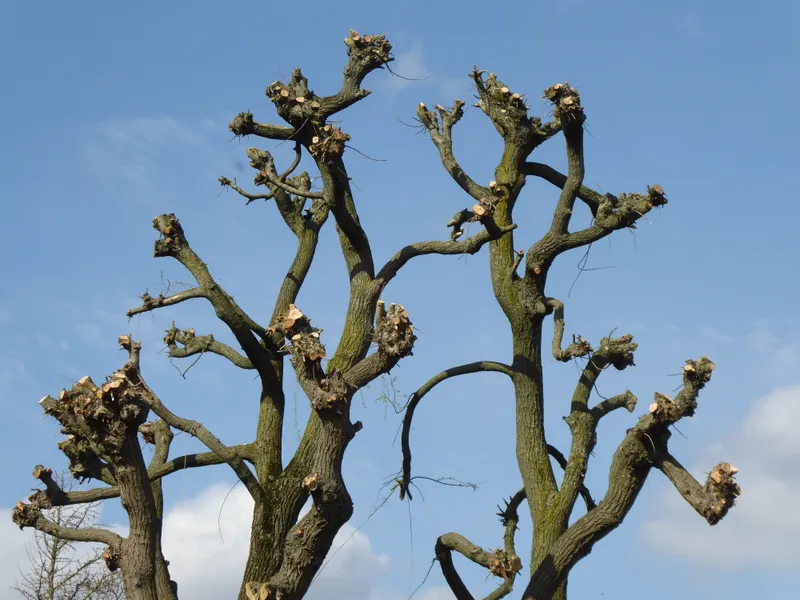
A tree preservation plan filed ahead of grading protects the builder as much as the tree — it's the document that shows due diligence if a heritage oak declines mid-project and someone questions why. On the acreage parcels being carved out of Prosper's former ranch land, that plan usually accompanies the permit package rather than getting requested reactively after equipment is already on site.
HOAs, Insurers & Real Estate Transactions
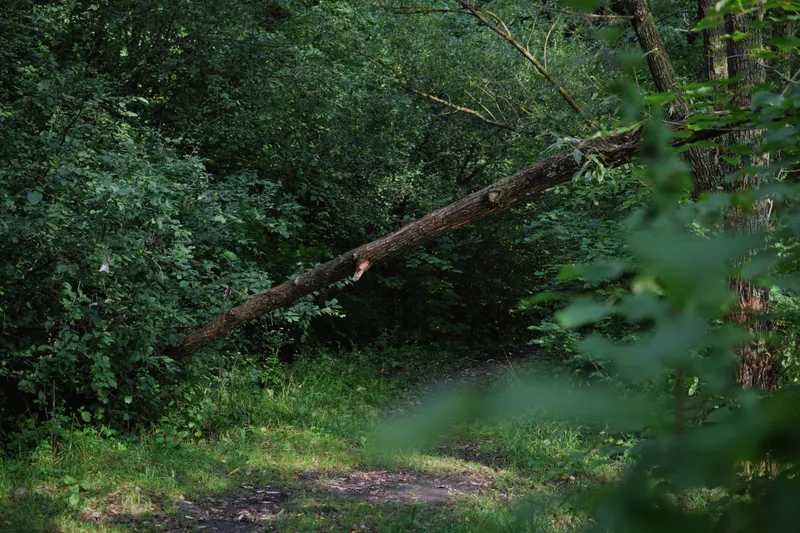
An HOA weighing a resident's request to remove a shared-boundary tree, an insurer evaluating a storm-damage or liability claim, or a buyer's agent flagging a tree near a foundation all need the same thing: a written, photo-documented finding from someone who inspected the actual tree, not a description over the phone. That report becomes the record everyone downstream refers back to.
Estate & Acreage Owners
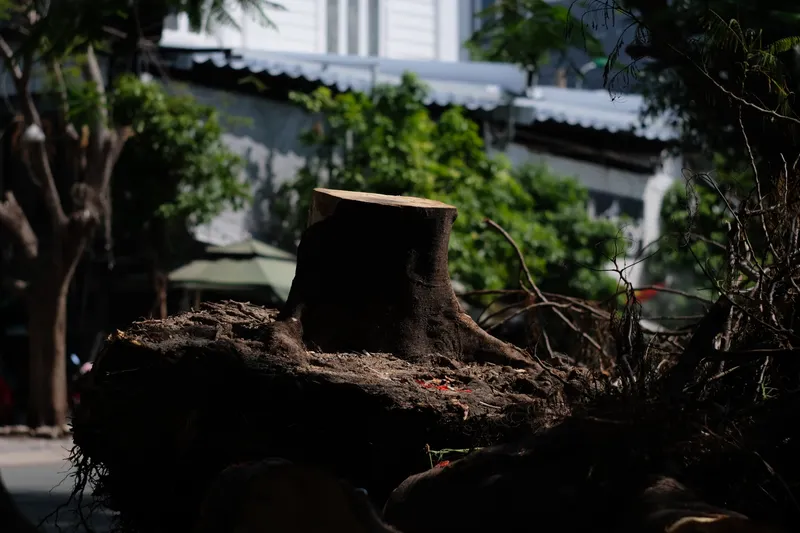
A heritage live oak or post oak on a Prosper acreage lot is worth protecting well past what a subdivision tree needs, and that starts with knowing its actual condition rather than assuming it's fine because it's still standing. A finding of early structural weakness routes to cabling & bracing instead of removal, keeping decades of canopy on a tree that still has options.
Not sure which page actually covers your situation? A tree already flagged for active disease or pest damage belongs on tree health care, and a tree the report scores as an unmanageable hazard moves to tree removal instead. Prosper's acreage lots and former ranch-land tracts carry a different tree-consulting profile than Frisco's dense, same-era subdivision canopy — see tree service in Frisco, TX for how that comparison plays out across the county line. The complete list of what's coordinated across Prosper and its neighbors lives on the services page, run by the same Prosper tree service network behind every assessment and report described here.
Frequently Asked Questions
What is TRAQ, and why does a written report reference it?
TRAQ stands for Tree Risk Assessment Qualified, the framework arborists use to score how likely a tree is to fail against what sits underneath it — a driveway, a structure, a shared fence line. Rather than a subjective glance, it walks through root flare condition, trunk defects, canopy structure, and target exposure to produce a documented hazard rating. A report built on that framework is what an HOA, insurer, or city reviewer expects to see, because the methodology behind the finding is consistent and repeatable rather than one person's opinion on a given day.
When does a builder in Prosper need a tree preservation plan?
Any time grading, trenching, or heavy equipment traffic will operate near a mature tree the owner or the town wants kept, which is common on Prosper's acreage tracts as ranch land converts to custom-home lots. The plan documents critical root zones, specifies protective fencing before ground is broken, and identifies which trees stay outside the construction footprint entirely. Filing it alongside the permit package, rather than after a tree starts declining mid-build, is what actually protects it — root compaction from equipment traffic can take years to show up as canopy dieback.
Do HOAs and insurers actually accept an arborist's written report?
Yes, and it's usually what they specifically ask for once a dispute or claim moves past an informal complaint. An HOA weighing a request to remove a boundary tree, or an insurer evaluating a liability or storm-damage claim, needs a photo-documented finding tied to an on-site inspection rather than a description over the phone. The report states the tree's condition, the risk rating, and a clear recommendation, which is what turns a disagreement into a decision both sides can point to.
How is arborist consulting different from tree health care?
Consulting is the inspection and the paper trail; health care is the treatment. A consultation diagnoses whether a tree is declining from oak wilt, emerald ash borer, or plain root stress from Blackland Prairie clay, and documents the finding in a written report, but the fungicide injection or deep-root fertilization that follows is scoped and billed under tree health care instead. Keeping the two separate matters most when a report needs to stand on its own for an insurer or HOA, independent of whatever treatment eventually gets scheduled.
What does an arborist consultation cost in Prosper?
It's scoped to the job rather than a flat number — a single tree risk assessment for a homeowner is a smaller engagement than a full pre-construction survey across a multi-acre parcel with dozens of heritage trees. Site size, number of trees, and whether the report needs to meet a specific format for a permitting office, insurer, or title company all factor into the quote. An on-site walkthrough is how the actual scope, and the price, gets set before anything is written.
I'm buying a Prosper property with mature trees — do I need a survey before closing?
It's worth having one, especially on an acreage lot where a heritage live oak or post oak predates the ranch-to-residential conversion and carries real value an appraisal typically won't itemize. A pre-purchase tree survey documents species, trunk diameter, estimated age, and condition for every tree of consequence on the parcel, tied to a site map. Title companies and closing attorneys increasingly want that documentation on file, particularly when a tree sits close enough to a structure or property line to matter later.
What happens if a consultation finds a tree with oak wilt or emerald ash borer?
The written report documents the findings — symptoms, likely cause, and severity — and the tree gets referred to tree health care for actual treatment, since oak wilt (confirmed in 76 Texas counties) and emerald ash borer (confirmed in roughly three dozen) both call for specific fungicide or trunk-injection protocols rather than general pruning. Where oak wilt is suspected, the report also flags the February-through-June wounding window so no pruning near the tree opens a fresh infection court in the meantime. The consultation's job is the diagnosis and the documentation; the treatment plan and its timeline get scoped separately once the cause is confirmed.
Can a consultation resolve a dispute with a neighbor over a tree near the property line?
It often does, because a documented, photo-backed finding from an on-site inspection carries more weight than two neighbors describing the same tree differently. The report states the tree's condition, whether it poses a genuine risk, and which side of the property line the trunk and root flare actually sit on — a detail that resolves a surprising number of boundary disagreements on its own. That documentation becomes the reference point if the disagreement moves further, whether that's an HOA hearing or a conversation with an insurer.
How does Prosper's tree preservation ordinance interact with a construction tree survey?
Prosper's ordinance protects trees above a set caliper on developed lots and requires a permit, and sometimes mitigation, before a protected tree comes down — the same rule that applies to removal work generally. A pre-construction survey feeds directly into that process by documenting which trees on a parcel meet the protected threshold before grading starts, giving the builder or owner an accurate picture instead of finding out mid-permit review. Frisco enforces its own separate Tree City USA caliper rule, so a survey near that boundary gets checked against the correct jurisdiction.
What if the assessment finds a heritage oak with structural weakness but no disease?
A structurally weak tree without disease often has real options short of removal. A co-dominant stem or a crack with limited internal decay can sometimes be stabilized with cabling and bracing, redistributing load across the weak point instead of letting it fail outright — a common outcome on Prosper's older heritage live oaks and post oaks that have stood through decades of North Texas storms. The written report lays out that option specifically, alongside monitoring and removal, so the owner is choosing between real alternatives rather than a single default recommendation.
Schedule an Arborist Consultation
Risk assessments, preservation plans, and written reports for Prosper builders, HOAs, insurers, and estate owners. Call (469) 481-1512, open 24 hours.
(469) 481-1512