Tree Service · Prosper, TX
Land & Lot Clearing in Prosper, TX
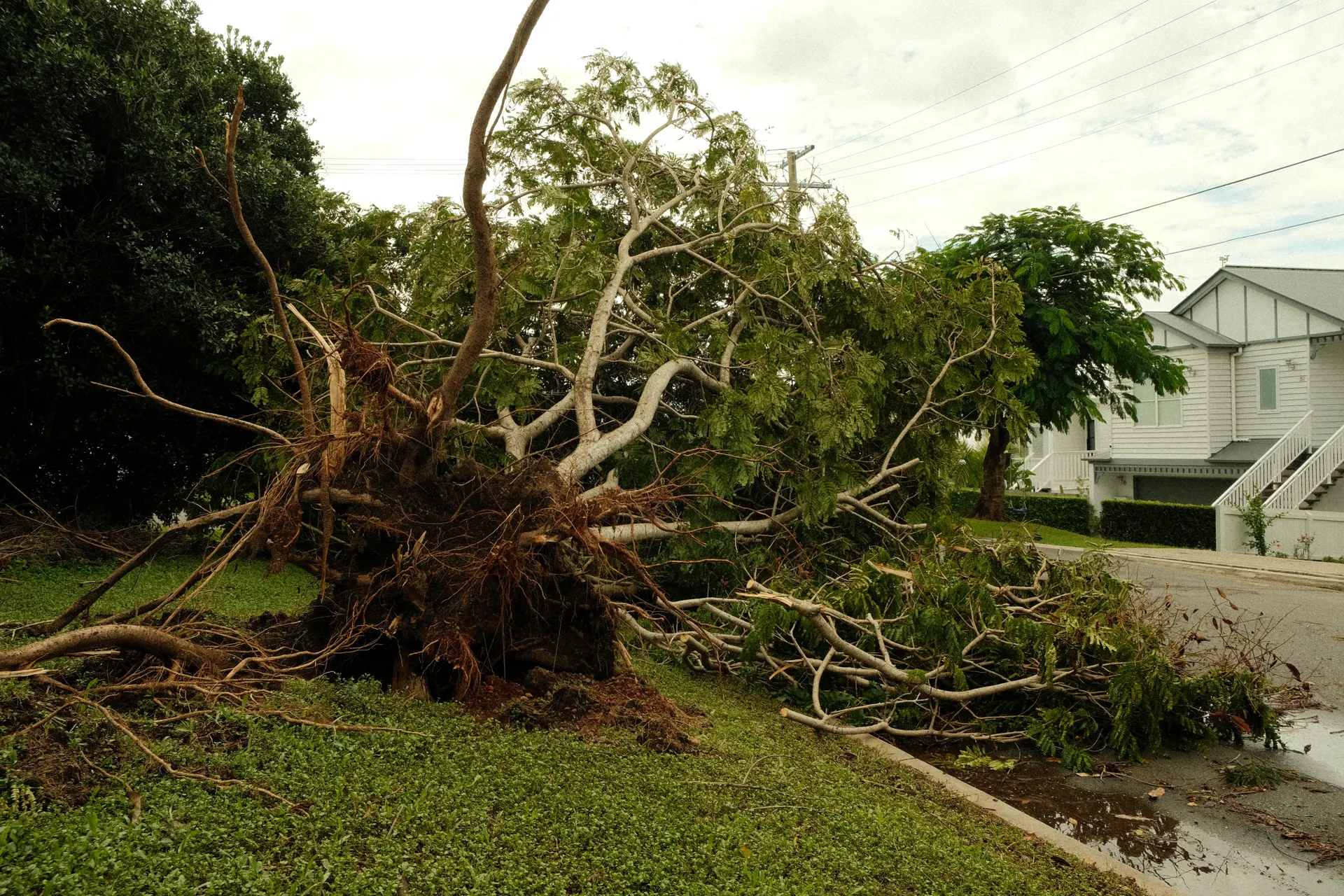
Clearing a half-acre building pad off Preston Road is a different job from felling one dead cedar elm in a backyard, and Tree Service Prosper Woods Co treats it that way. Land clearing here means opening up raw acreage for a foundation, thinning mesquite and cedar brush back off a fence line, or pushing overgrowth off a pond bank — work that calls for skid-steer mulchers and dozer-mounted attachments, not a chainsaw crew alone. This coordination has covered lot and acreage work across Prosper, Frisco, Celina, Little Elm, and the surrounding Collin and Denton County corridor for 15 years, and calls get answered 24 hours a day.
The demand here traces straight to how fast Prosper's ground is changing. Former cattle-and-cotton acreage along Preston Road and out past Windsong Ranch keeps getting platted into new subdivisions, so a big share of the work is prepping raw pasture and brush-choked lots for a builder rather than dealing with a single tree gone bad. Add Blackland Prairie clay that swells wet and cracks dry through a Texas summer, old barbed-wire fence lines and drainage ponds that end up sitting inside new lot boundaries once surveys are redrawn, and a stand of heritage live oaks the Town wants preserved wherever a site plan allows it, and a clearing job carries grading, boundary, and preservation questions a straight tree removal never touches.
This page covers clearing at lot and acreage scale — full-site prep, selective thinning that keeps the trees worth keeping, and brush or fence-line overgrowth. A single hazardous or dead tree on an otherwise developed lot belongs on tree removal instead, ongoing canopy shaping on trees staying put is tree trimming & pruning, and whatever stump work a clearing job leaves behind gets scheduled through stump grinding.
The sequence starts with a walk of the property, not the mulcher: an arborist flags which trees have preservation value, checks caliper thresholds against the applicable ordinance, and marks what stays before anything gets pushed. From there, forestry mulching, selective felling, or a full clear-cut gets chosen to match the acreage, the density, and how the equipment can actually reach it, with debris hauled off or chipped and a free written quote in hand before the first machine rolls onto the property.
What We Do
Our Land Clearing Services in Prosper
Acreage work splits into three shapes of job here — full-site prep for a builder, selective clearing that spares the trees worth keeping, and cleanup along an overgrown boundary.
Full Lot & Construction-Site Clearing
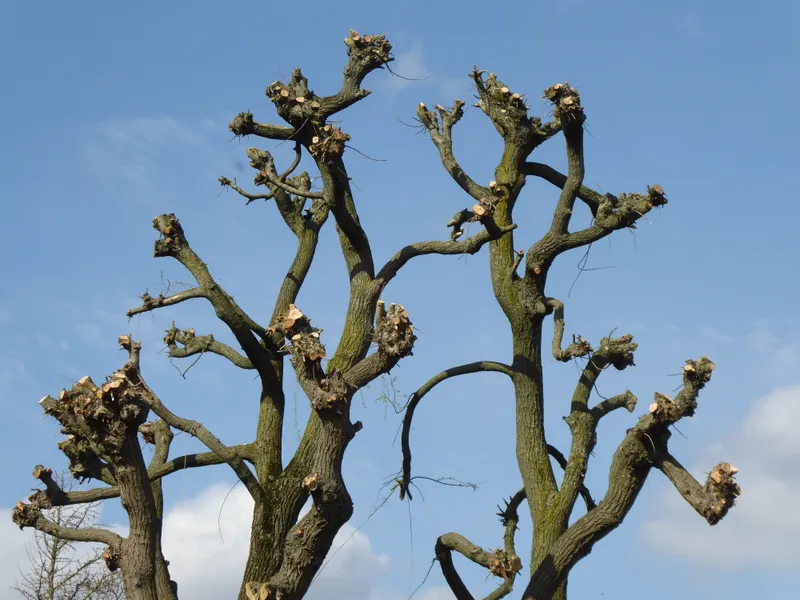
A raw building lot or a pasture headed for a subdivision gets cleared down to grade so a foundation, driveway, or septic field can actually go in — mesquite, cedar brush, and volunteer hardwoods pushed and hauled or mulched in place, depending on what the builder's schedule needs. Grading and drainage get factored into the clearing plan from the start, since Blackland Prairie clay moves enough on its own without a poorly cleared lot making runoff worse. Timeline and method both scale with acreage, density, and how a dozer or mulcher can get equipment onto the site in the first place, so pricing is quoted per site walk rather than a flat per-acre number.
Selective Clearing & Specimen Tree Preservation
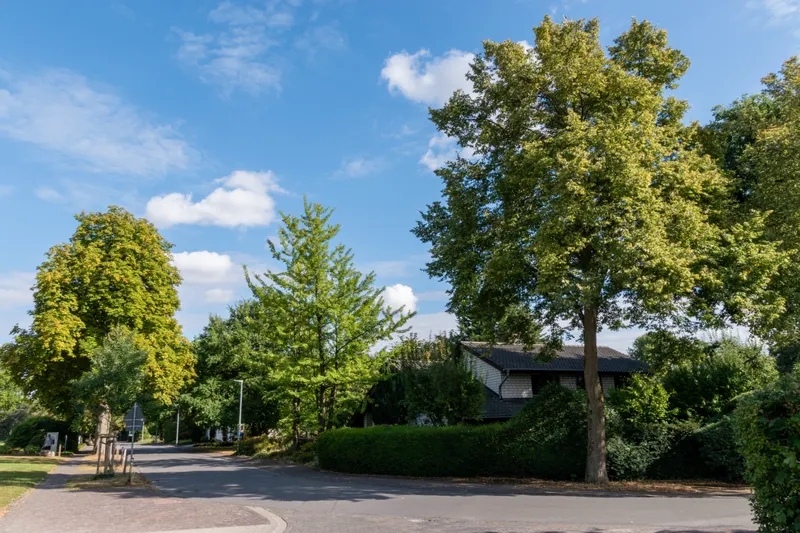
Not every tree on a cleared lot needs to go. An arborist walks the site first and flags heritage live oaks, mature bur oaks, and other specimen trees worth keeping around a future home site, then equipment works around root zones instead of through them while everything else comes out. Protection fencing goes up around the critical root zone before machinery arrives, since compacted soil over a root system can stress a tree just as badly as a direct hit from a blade. This is the step that keeps a lot compliant with Prosper's caliper-based preservation rule instead of triggering mitigation fees that a full clear-cut would.

Brush, Undergrowth & Fence-Line Clearing
Overgrown fence lines, brush-choked pasture edges, and pond banks that have gone wild get opened back up with forestry mulching or hand-and-machine clearing, whichever the terrain and density call for. Mulching in particular grinds standing brush and small trees into ground cover in one pass, which skips the burn-pile-and-haul cycle entirely and leaves mulch that helps hold Blackland clay in place instead of eroding it. Fence lines on older Prosper and Celina acreage often carry decades of volunteer cedar and mesquite grown up through the wire itself, so clearing crews work the fence out of the brush rather than just cutting around it.
The Benefits
What Proper Land Clearing Gets You
Clearing acreage the right way sets up everything that comes after it — construction, grazing, or just a usable piece of land.
A Site That's Actually Buildable
A lot cleared to grade with stumps flagged for grinding and drainage patterns accounted for saves a builder from discovering a buried root ball or a low spot mid-foundation-pour. Clearing gets sequenced with the site plan in mind, not just pushed flat and left, which is the difference between a lot that's ready for permits and one that needs a second visit before groundbreaking. On a phased subdivision build, that sequencing also means the clearing crew and the grading contractor aren't working the same acreage on top of each other.
Erosion Held in Check on Blackland Clay
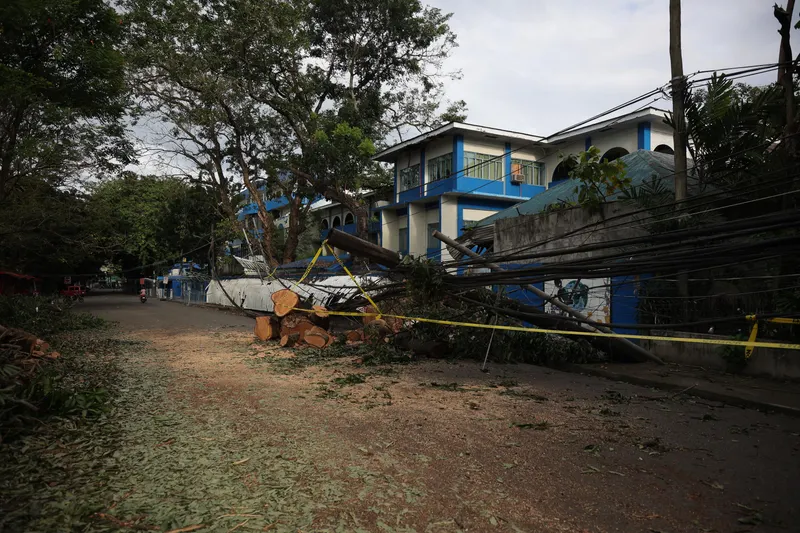
Stripping vegetation off Blackland Prairie clay without a plan invites runoff the first hard rain after the job — the same expansive soil that cracks dry and heaves wet erodes fast once it's bare. Leaving mulch cover from forestry mulching, staging clearing in phases on larger acreage, and coordinating with grading crews all keep loose soil from washing toward a neighboring lot or a drainage pond. That matters more on Prosper acreage draining toward a shared pond or a fence-line low spot, where a neighbor downhill inherits whatever a rushed clearing job sends their way.
Heritage Trees Kept, Not Just Counted
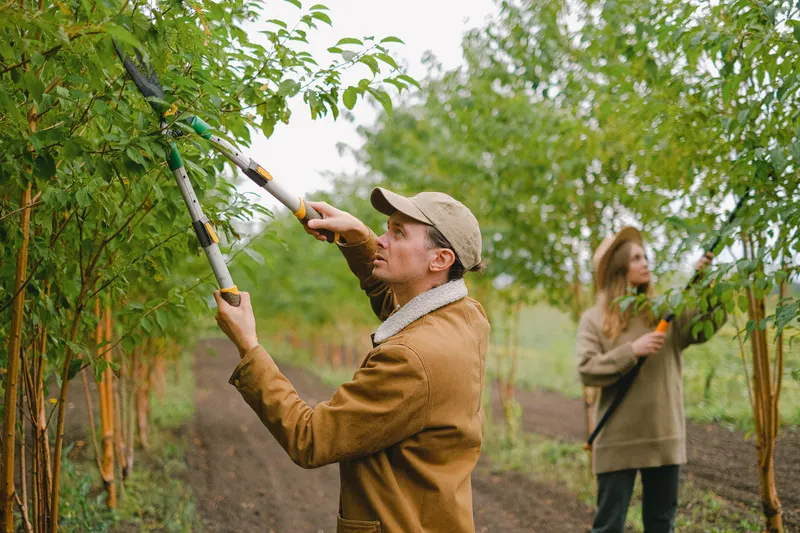
Clearing acreage with an arborist's eye on it, instead of running equipment straight across the whole parcel, is what keeps a mature live oak or bur oak standing where it adds shade and value to a future homesite. That same eye also catches early oak wilt or root damage on a tree marked to stay, so a specimen tree saved during clearing doesn't turn into a removal call two years later. A homesite with two or three mature oaks left standing around it also tends to look and feel established years before new landscaping would catch up on a fully cleared lot.
A hazardous tree standing alone on an already-developed lot is a tree removal job, not a land-clearing one, and anything still growing after the site is cleared falls under tree trimming & pruning going forward. Frisco, immediately south of Prosper, went through the same ranch-to-subdivision conversion a decade earlier and enforces its own Tree City USA preservation rule on any remaining acreage clearing there — worth checking before assuming Prosper's threshold applies across the county line. Whatever stump work a clearing job leaves behind gets picked up on stump grinding, and the complete list of what's coordinated across Prosper and its neighbors lives on our services page, run by the same Prosper tree service network that plans every clearing job around what's actually worth keeping standing.
Frequently Asked Questions
How much does land clearing cost in Prosper, TX?
There's no flat per-acre rate that holds up here, because acreage, tree density, equipment access, and terrain all move the number in different directions. A flat, sparsely wooded pasture with a gate wide enough for a mulcher clears far faster and cheaper than the same acreage packed with mature mesquite and cedar, or a lot where equipment has to be walked in past a narrow easement. Whether specimen trees are being preserved also changes the number, since selective clearing around root zones takes more crew time than a straight clear-cut. Every quote follows a site walk where those factors get measured firsthand, and the number comes back in writing before any machine touches the property, so the price reflects the actual job instead of a generic acreage guess.
Do I need a permit to clear land in Prosper?
It depends on what's being cleared and how developed the lot already is. The Town of Prosper's tree preservation ordinance protects trees above a set caliper on developed lots and can require a permit plus mitigation, such as replacement plantings or a payment into the town's tree fund, once a project crosses that threshold. Raw acreage headed for a subdivision or a construction pad often routes through the builder's site-plan approval instead, which folds tree preservation requirements into the broader permitting process rather than a separate homeowner permit. Neighboring Frisco and Celina each enforce their own version of this rule, so a parcel near either boundary gets checked against the correct town rather than assumed. The current caliper threshold and which process applies gets confirmed for the specific parcel before any clearing plan is finalized.
What's the difference between land clearing and tree removal?
Tree removal takes down one specific tree — usually because it's dead, hazardous, or in the wrong spot — and treats the surrounding landscape as fixed. Land clearing works at lot or acreage scale, opening up an entire building pad, pasture, or overgrown boundary using equipment like forestry mulchers and dozer attachments rather than a single chainsaw crew. Pricing logic differs too: a single removal is scoped by tree height and hazard, while clearing is scoped by acreage, density, and access. A property might need both: a hazardous oak removed under tree removal first, then the rest of an acre cleared for construction or grazing under this scope.
Can you clear a lot without losing every mature tree on it?
Yes — this is what selective clearing is for. An arborist walks the parcel before equipment moves, flags live oaks, bur oaks, or other specimen trees worth keeping around a future home site, and marks a protection zone around each one's root system so machinery works around it instead of through it. Protective fencing typically goes up at the tree's critical root zone, since soil compaction from repeated equipment passes can damage roots just as badly as a direct strike. This approach costs more in planning time up front than a straight clear-cut, but it's often the difference between meeting Prosper's tree preservation ordinance outright and triggering mitigation fees on a lot that didn't need to lose every tree it had.
What is forestry mulching, and when does it make sense over traditional clearing?
Forestry mulching uses a tracked machine with a rotating mulching head to grind standing brush, small trees, and undergrowth into wood mulch in a single pass, right where it stands. It skips the cut-pile-burn-haul cycle that traditional clearing often needs, which speeds up dense fence-line and pasture-edge jobs considerably, and it leaves fewer ruts behind than a dozer blading a site flat. The mulch left behind also helps hold Blackland Prairie clay in place against erosion after clearing, which matters more here than in sandier soils, though very large diameter trees or a full building-pad clear-cut still call for dozer and grapple work instead.
How long does clearing a building lot or acreage take?
A straightforward acre or two of light brush with decent equipment access can clear in a day or two using a forestry mulcher, while several acres of dense mesquite and cedar, or a site needing full stump-and-root removal for a foundation, stretches to multiple days. Access is usually the bigger variable than acreage alone — a lot with a wide gate and flat ground clears faster than a smaller, brush-choked parcel a dozer has to be walked into. Selective clearing that's preserving specimen trees adds time too, since equipment has to work carefully around protected root zones instead of pushing straight through. The site walk that sets the quote also sets a realistic timeline, rather than promising a number before anyone's seen the ground.
What happens to the brush and debris after clearing?
Debris either gets forestry-mulched into ground cover left on-site, chipped and hauled off, or piled for burning where local rules and lot size allow it — the method depends on volume, the client's preference, and what the site plan calls for afterward. Mulch left in place doubles as erosion control on the region's expansive clay, which is often the preferred option on acreage that isn't being graded immediately for construction. Hauling makes more sense on a tight construction-site timeline where the pad needs to be clean before a survey crew or foundation contractor shows up. Whichever method fits, disposal gets scoped into the same written quote instead of showing up as a surprise line item afterward.
Do stumps still need to be ground after land clearing?
Often, yes, especially on a lot headed for construction where a stump or root ball sitting under a planned driveway or foundation footprint would cause problems later. Clearing removes the standing brush and trees, but larger stumps frequently need separate grinding or full extraction to get the site truly ready to build on, which is scheduled through stump grinding either in the same visit or as a follow-up once the clearing plan is set. Oak and other hardwood stumps common on older Prosper acreage take longer to grind than softer species, which is factored into that separate quote. Pasture or fence-line clearing that isn't headed for construction can often leave stumps in place without causing an issue.
Is there a bad time of year to clear land with oak trees on it in Prosper?
Oak wilt, confirmed in 76 Texas counties, spreads fastest when sap-feeding beetles are active, which runs roughly February through June, so wounding or disturbing live oaks and red oaks during that window carries real infection risk if fresh cuts are left exposed. Clearing that avoids cutting into oaks being kept, or that's scheduled outside the high-risk window when oaks do need to be trimmed back, cuts that risk down substantially. Fresh wounds on any oak left standing during that window get sealed rather than left open, since an untreated cut is exactly what attracts the beetles carrying the fungus. This gets factored into the plan on any site walk where specimen oaks are being preserved rather than cleared, since a saved tree that gets infected during the job defeats the point of keeping it.
Can you clear brush around a pond or drainage area on my property?
Yes, though pond banks, creek corridors, and drainage easements often carry their own setback or buffer rules on top of the standard tree preservation ordinance, since disturbing vegetation right at the waterline can accelerate bank erosion on Blackland clay. Overgrown brush and volunteer trees along a pond edge get cleared with that erosion risk in mind, often leaving a mulched buffer strip rather than stripping straight to bare soil at the water's edge. Forestry mulching tends to be the preferred method on these edges specifically, since it disturbs less soil than dozer clearing would on a sloped bank. Any applicable drainage or floodplain rule for the specific property gets checked against the parcel before clearing starts, rather than assumed.
Get Your Land Clearing Quote
Full-lot prep, selective clearing, or fence-line and brush cleanup — quoted after a real site walk. Call (469) 481-1512, 24 hours a day.
(469) 481-1512