Tree Service · Prosper, TX
Tree Cabling & Bracing in Prosper, TX
Not every structural problem in a tree ends with a chainsaw. Tree Service Prosper Woods Co has spent 15 years coordinating tree cabling and bracing across Prosper, Frisco, Celina, Little Elm, and the wider Collin and Denton County stretch of North Texas, installed on trees that are healthy in every way except one weak union — and worth engineering around rather than cutting down. That means dynamic synthetic cabling for flexible, lower-stress support, static steel cable where a rigid connection is called for, and threaded brace rods run straight through a split or co-dominant trunk, all specified and installed to ANSI A300 Part 3, the tree-care industry's standard for support systems. Calls come in 24 hours a day, seven days a week.
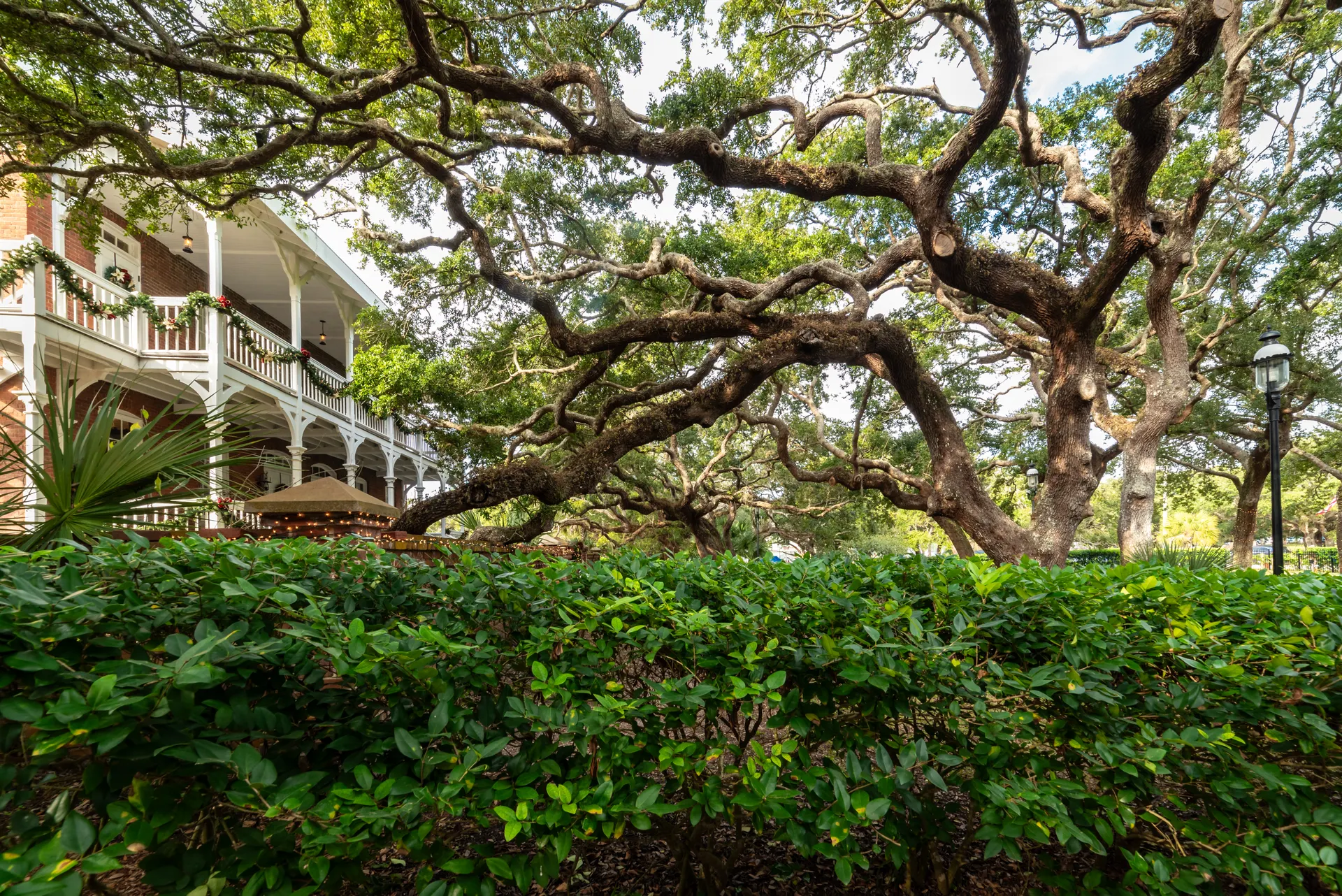
This is a preservation call, not a removal one, and Prosper's older acreage lots are exactly where it comes up most. Communities like Windsong Ranch kept a working stock of mature live oaks and post oaks when the pasture around them was subdivided, and those specimen trees are frequently the reason a buyer chose the lot in the first place — losing one to a preventable split is a real loss in shade, privacy, and resale character, not just a line item. A weak union on a tree like that is a candidate for engineering, not a foregone conclusion for the crew with the saw.
The trees that actually need this work share a signature: a co-dominant leader with included bark instead of a clean branch collar, a split already opening in a major fork, a heavy horizontal limb reaching further than its diameter can support, or a crown that's grown lopsided toward more light on one side. Blackland Prairie clay makes the underlying stress worse than it looks from the ground — the same soil that swells wet and shrinks hard through a dry summer keeps working at a root plate and a weak union at the same time, so a union that looked stable last year can be genuinely different after this year's swing between soaked spring soil and a baked August lawn.
Scope this way: a tree past saving, or one where the risk sits below the support system's limits, belongs on tree removal instead — cabling a structurally hopeless tree is money spent to delay the inevitable, and an honest assessment says so up front. Ordinary structural pruning that heads off a weak union before it needs hardware lives on tree trimming & pruning. This page covers only the trees in between: sound enough to keep, weak enough at one specific point that engineering, not removal, is the right call.
What We Do
Our Tree Cabling & Bracing Services in Prosper
The right hardware depends on the failure it's built to stop — a flexible dynamic cable, a rigid steel run, or a through-bolt brace rod each solve a different structural problem, and getting the wrong one installed is worse than doing nothing at all.
Dynamic Synthetic Cable Support Installation
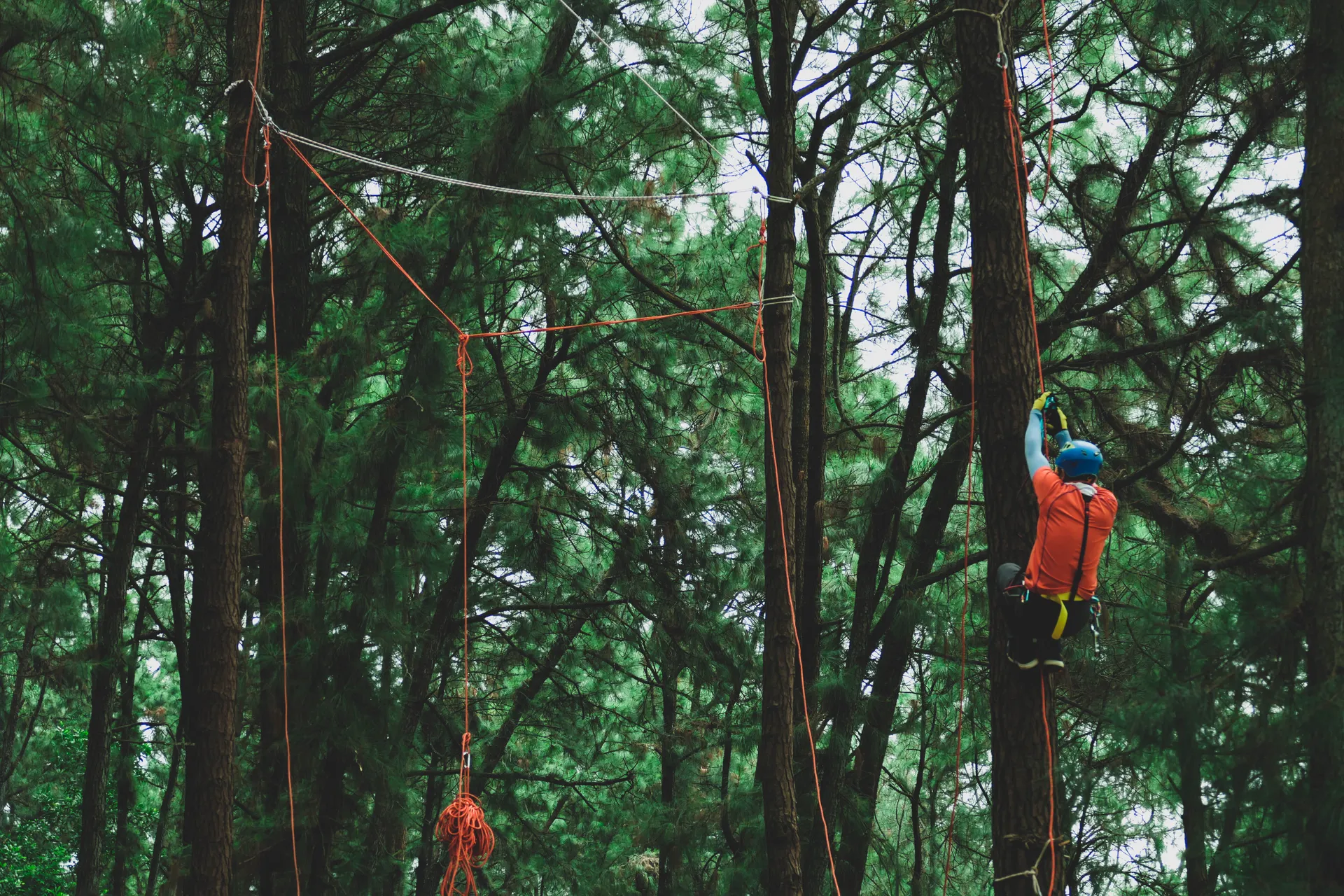
Dynamic systems use a synthetic rope-and-sling setup that flexes with the tree in wind instead of fighting it, which lets the wood keep building the natural reaction growth that actually strengthens a union over time. It's the standard first choice on a co-dominant leader or a heavy limb that's structurally sound but overextended, and it's installed higher in the crown, closer to the point of weakness, than an older-style rigid cable ever could be.
Installed correctly, a dynamic system is close to invisible from the ground — no drilled bolt through the trunk, just a support that lets the tree keep doing the work of holding itself up.
Static Steel Cabling & Threaded Brace Rods
A genuine split already opening in a major fork, or a union too far gone for a flexible system to hold safely, calls for static steel cable paired with a threaded brace rod drilled straight through both sides of the split and torqued to draw the wood back together. It's a more invasive install — real hardware inside the trunk — reserved for the cases where a dynamic cable alone won't stop the movement.
Oak and pecan unions on Prosper and Frisco's mature acreage lots are the trees that come up most for this combination, since their sheer limb weight puts real load on a compromised fork.

Lightning Protection Systems
A grounded conductor system runs a copper cable from the tree's crown down the trunk to a buried grounding rod, giving a lightning strike a safer path than blasting through the trunk's own wood and bark. It's specified almost exclusively for the tallest, most exposed specimen trees on open acreage — a solitary heritage oak standing well above its neighbors is a natural strike target during North Texas's spring storm season.
This is a targeted, occasional add-on, not a default recommendation — most cabled trees never need one, and it only gets proposed where height and exposure genuinely warrant it.
The Benefits
Why Cabling & Bracing Beats Removal for the Right Tree
Support hardware isn't a cosmetic fix — installed on the right tree, it changes the actual odds of a catastrophic failure and buys the tree years or decades it wouldn't otherwise get.
The Tree Stays, and So Does Its Value
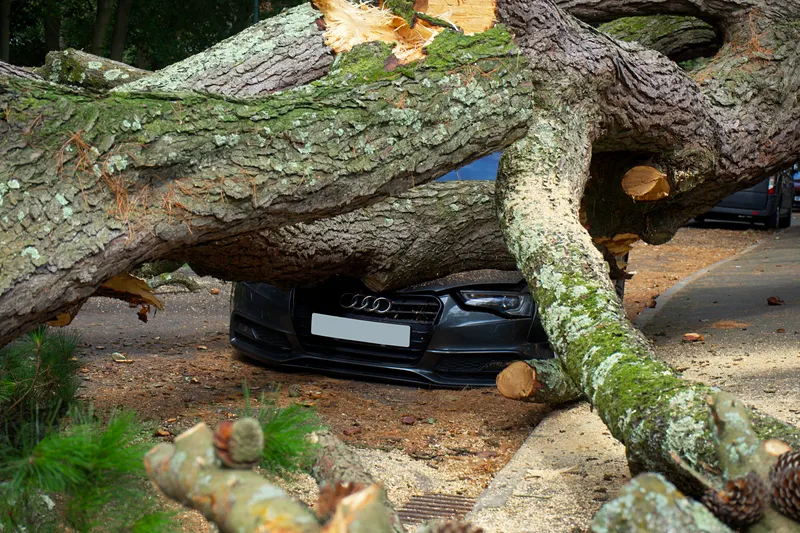
A mature live oak or post oak on a Windsong Ranch acreage lot took decades to reach the size that makes it worth anything — shade, screening from neighbors, the kind of canopy a newly planted subdivision tree won't match for another twenty years. Removing a tree like that trades a one-time saw job for a permanent loss; cabling trades a smaller, ongoing investment for keeping the asset standing.
Fewer Storm-Season Emergency Calls
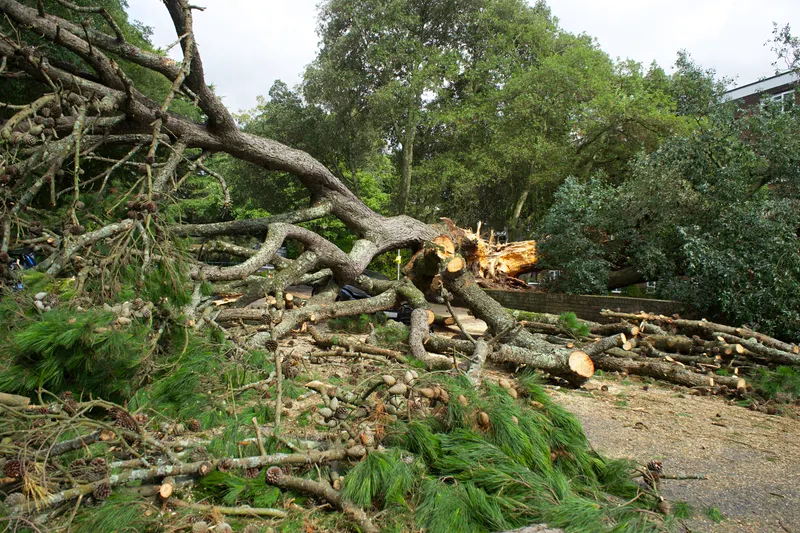
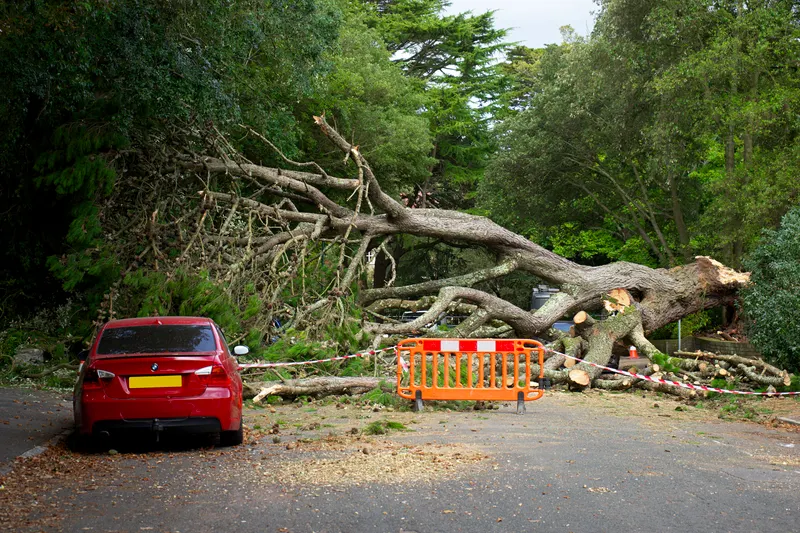
A co-dominant union with included bark is the single most common failure point in North Texas's spring hail and straight-line-wind season, and it's also the easiest failure to prevent ahead of time. A tree properly braced before storm season sees the same wind load as an untreated one, but the union that would have split simply doesn't — turning a likely after-hours emergency call into a routine annual inspection instead.
Often Avoids the Removal Permit Entirely
Prosper's tree preservation ordinance sets a caliper threshold above which taking a protected tree down means filing for a permit and, in some cases, paying into the town's tree fund or planting replacements. A tree that gets cabled instead of removed never triggers that process at all — the ordinance only applies once the tree actually comes down, so saving a borderline oak or post oak sidesteps the paperwork along with the loss.
A tree with real value worth protecting is the reason this page exists, and it's worth knowing where the line sits on either side of it. A structurally sound tree with one weak union is a cabling and bracing candidate; a tree that's already lost its root plate, is riddled with trunk decay, or has a canopy mostly dead belongs on tree removal instead, and that call gets made honestly during the free assessment either way. Ordinary structural pruning that heads off a weak union before it ever needs hardware is covered on tree trimming & pruning, and a tree already showing disease alongside a structural problem may need tree health care as well. Prosper's older acreage lots and Frisco's dense, same-era canopy both carry mature specimen trees worth this kind of engineering — see tree service in Frisco, TX for how that plays out next door. The complete list of what gets coordinated across Prosper and its neighbors lives on our services page, run by the same Prosper tree service network behind every job on this site.
Frequently Asked Questions
How do I know if my tree needs cabling instead of removal?
The tell is a specific weak point rather than overall decline — a co-dominant trunk with included bark where two leaders meet at a tight, V-shaped angle instead of a strong U-shaped branch collar, a crack or split already visible in a major fork, or one heavy limb extending well past what its diameter should be carrying. If the rest of the tree is structurally sound and the root system is intact, that single weak point is often a candidate for a dynamic or static support system rather than a reason to take the whole tree down. An arborist checks the union's angle, any included bark, and how much load the limb is carrying before recommending hardware over removal, and says so plainly if the tree is actually past saving.
What's the difference between dynamic and static cabling?
Dynamic systems use a synthetic rope-and-sling setup that flexes with the tree's natural movement in wind, installed higher in the crown near the actual point of weakness, and they let the wood keep building the reaction growth that strengthens a union on its own over time. Static systems use rigid steel cable, often paired with a threaded brace rod drilled through the trunk, and they're reserved for splits or unions that are already opening and need a firm, immediate connection rather than flexible support. Most co-dominant leaders that are still sound get a dynamic system first; a genuine active split usually needs the static, hardware-through-the-wood approach instead.
Does cabling and bracing actually save the tree, or just delay removal?
On a tree with an otherwise healthy root system and no more than one compromised union, cabling is a real, long-term fix — properly installed dynamic and static systems routinely stay in service for a decade or more with periodic inspection. It's not a fix for a tree that's already lost most of its canopy, has significant trunk decay, or shows a heaved root plate from a prior storm; on those trees, hardware just delays an outcome that's already decided and tree removal is the honest recommendation. The distinguishing factor is always root and trunk condition outside the specific union being braced, which is why every job starts with a full assessment, not just a look at the split.
What standard do cabling and bracing installs follow?
ANSI A300 Part 3 is the tree-care industry's standard specifically for support systems — cabling, bracing, and guying — covering how hardware is sized, where it's placed in the crown, and how much load a given cable or rod should be rated to carry for the species and union involved. It sits alongside ANSI A300 Part 1, the pruning standard, and ANSI Z133, the safety standard every climber and rigger follows on the job. Following Part 3 specifically matters because an undersized or badly placed cable can fail exactly when it's needed most, in a spring storm with high wind load on the crown.
Do I need a permit to cable a tree in Prosper instead of removing it?
No — Prosper's tree preservation ordinance regulates removal and its mitigation requirements on protected-caliper trees, not support-system installs, so cabling or bracing a tree you're keeping doesn't trigger the town's permit or replacement-planting process. That's actually one of the practical advantages of saving a borderline tree: the ordinance, along with any caliper-based fees or mitigation planting it might require, only applies once a protected tree actually comes down. Frisco and Celina run their own separate versions of a preservation ordinance, so the same logic — cable it and the removal rule never applies — holds across the wider service area too.
How much of a tree's canopy weight can a cable or brace actually support?
Support systems reduce the load a weak union has to carry on its own by redistributing part of it to the cable or rod, but they don't eliminate load entirely — a heavily overextended limb often still needs some crown reduction alongside the hardware to bring total weight down to what the union and the new support together can safely handle. That's why cabling and structural pruning frequently get scoped as one job rather than two separate visits: the tree trimming & pruning work lightens the limb, and the cable or brace catches what's left. Installing hardware on a limb that's still carrying its full original weight is a common mistake that shortens the system's working life.
Are heritage oaks on older Prosper properties good candidates for this?
Often, yes. Mature live oaks and post oaks on Prosper's larger acreage lots — the kind kept standing in communities like Windsong Ranch when the surrounding pasture was subdivided — frequently develop the exact structural profile that responds well to cabling: decades of unchecked growth that produced a wide, heavy co-dominant crown before anyone was pruning it for structure. A tree that size represents real, irreplaceable canopy value, which is precisely the case where engineering around one weak union makes more sense than starting over with a sapling. The tradeoff runs the other way too — a heritage tree with significant trunk decay from age is usually a removal candidate no matter how much shade it provides.
Do storms make cabled trees more or less likely to fail?
A properly cabled or braced union is meaningfully less likely to fail in a North Texas spring storm than the same union left untreated, since the hardware is specifically sized to carry the extra load that wind puts on a weak fork. It doesn't make the tree storm-proof — a support system addresses the one union it was installed on, not every branch in the crown — which is why a full-tree assessment ahead of storm season, not just the obviously weak spot, is worth doing on a large specimen tree. After any significant hail or straight-line-wind event, an existing cabled union is worth a follow-up look to confirm the hardware and the wood around it both held.
How often does cabling or bracing hardware need to be inspected?
An annual inspection is the standard recommendation, checking cable tension, hardware corrosion, and whether the tree's continued growth has changed how the support is seated in the crown — synthetic cables and steel hardware both shift slightly as the branches they're anchored to keep thickening year over year. A storm significant enough to cause visible damage anywhere else on the property is worth an extra out-of-cycle check on any cabled trees, since high wind load is exactly the condition the hardware is rated for and exactly when a loose or corroded connection would show itself. Skipping inspections for several years is the most common way a support system quietly stops doing its job.
Is lightning protection worth adding to a cabled tree?
It's worth considering on a specific category of tree — a tall, solitary specimen standing well above its neighbors on open acreage, which is exactly the kind of tree that draws a strike during North Texas's spring storm season — but it isn't a default add-on for every cabled union. A grounded conductor system runs copper cable from the crown down to a buried ground rod, giving a strike a safer path than through the trunk's own wood, and it's typically proposed alongside structural support rather than as a separate visit for trees that qualify. Most trees getting cabled for a weak union simply aren't tall or exposed enough to need it, and an honest assessment says so rather than upselling hardware a tree doesn't require.
Get a Cabling & Bracing Assessment
Weak union, split fork, or a heritage tree worth saving — ANSI A300 Part 3 support systems, assessed free. Call (469) 481-1512, 24 hours a day.
(469) 481-1512