Tree Service · Prosper, TX
Shrub & Hedge Trimming in Prosper, TX
Tree Service Prosper Woods Co coordinates shrub and hedge trimming across Prosper, Frisco, Celina, Little Elm and the surrounding Collin and Denton County towns, with 15 years in the ornamental layer of the landscape — the boxwood, holly, nandina, photinia and formal hedge lines that sit below the canopy. We handle hedge shaping, shrub and bush pruning timed to each species' bloom cycle, ornamental and small-tree pruning, and overgrown shrub removal, from the first walk of the bed line through the final sweep-up.
A shrub or hedge is more than a border — on Prosper's larger lots it's the architecture of the front elevation, and it's judged that way. Estate landscapes and long formal hedge runs on acreage properties around Windsong Ranch and Star Trail are common here, and HOA architectural committees on those developments hold hedges to a defined height and line, not a casual once-a-year cut. We shape to that standard, whether the plan calls for crisp geometric hedging along a drive or a looser, informal screen against a fence line.
Texas heat drives the calendar as much as the HOA guidelines do. Boxwood, holly and nandina take a different shaping schedule than a photinia hedge pushing new growth, and a shrub pruned at the wrong point in its bloom cycle simply won't flower the following season. Ornamental and small-tree work — crape myrtles, hollies, wax myrtles, Japanese maples — follows the same no-topping standard as the rest of our pruning: shaped for form, never hacked to stubs, with tools wiped down between plants so a fungal or bacterial problem on one shrub doesn't ride the blades to the next.
When Prosper homeowners bring us in for shrub and hedge trimming, they're getting the same standards-based approach we apply to the tree canopy above it — a written scope, a crew that knows the difference between a boxwood and a photinia, and a hedge line that still reads sharp on the day the HOA inspector drives by.
What We Do
Our Shrub & Hedge Trimming Services in Prosper
A formal hedge run, a bed of blooming shrubs, and a crape myrtle at the corner of the house all need a different hand — here's how the work breaks down by plant type and technique.
Hedge Trimming & Shaping
Formal hedges — boxwood and holly lines along a Windsong Ranch drive, a photinia screen marking a Star Trail property line — get cut to a straight, level plane using string lines and repeat passes rather than eyeballing it, holding the crisp geometry HOA architectural review expects. Informal hedges and mixed screens get a looser hand-shaping pass that keeps the plant's natural form while still controlling height and spread against a fence line or property boundary.
Estate-scale lots mean some hedge runs stretch well past what a single afternoon covers, so longer jobs get scheduled in blocks to keep the line consistent end to end rather than showing a seam where one day's work stopped.
Shrub & Bush Pruning
Boxwood, holly, nandina and photinia don't share a pruning calendar — spring-blooming shrubs get cut back right after their bloom cycle finishes so next year's flower buds aren't removed by accident, while evergreen foundation shrubs like boxwood tolerate a shaping pass through more of the year. Getting that timing wrong is the single most common reason a homeowner's shrub looks bare or skips a bloom season entirely.
Tools get wiped down with a disinfectant between plants on every visit, since fungal issues like boxwood blight and photinia's entomosporium leaf spot spread easily on unclean shears from one shrub to the next in a densely planted bed.
Ornamental & Small-Tree Pruning, Plus Overgrown Removal
Crape myrtles get the same no-topping standard we hold on every pruning job — shaped for natural vase form instead of chopped to stubs, since 'crape murder' is as common a habit in Prosper's newer subdivisions as anywhere else in North Texas. Hollies, wax myrtles and Japanese maples each carry their own structural pruning needs, and small ornamental trees generally follow the same branch-collar cuts and live-canopy limits used on larger shade trees.
When a shrub or hedge has gone past shaping — hollowed out, split open, or simply outgrown its bed — overgrown shrub removal clears it out and preps the bed for a healthier replacement instead of another season of losing patches.
The Benefits
Shrub & Hedge Trimming Benefits in Prosper
A tight hedge line and healthy shrub beds do more than look finished — they hold HOA compliance, protect bloom performance, and keep small plant problems from becoming an expensive replacement.
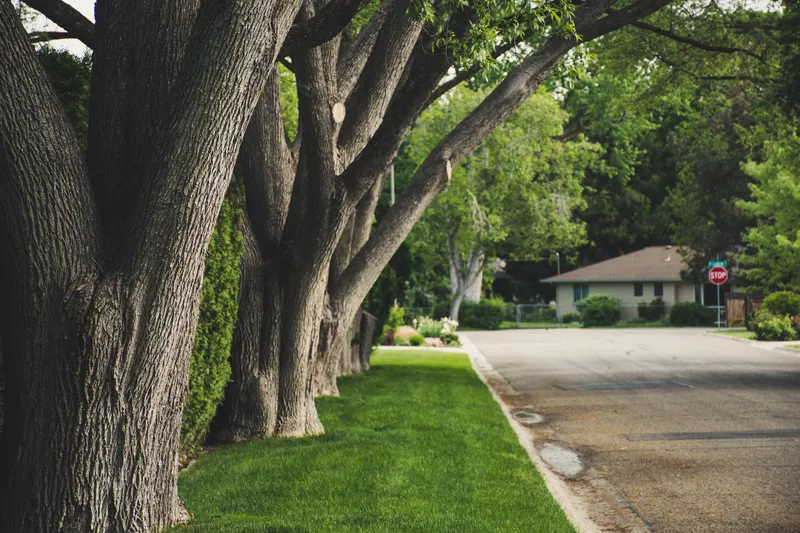
HOA Compliance and Curb Appeal, Held All Year
Windsong Ranch, Star Trail and Prosper's other master-planned communities enforce architectural standards on hedge height and line, and a shaped hedge is usually the first thing an inspector — or a buyer touring the street — actually notices. Keeping that line consistent on a set schedule avoids the scramble of a rushed trim before an HOA walkthrough, and it reads as maintained even when the rest of the yard is between projects.
Correct Bloom-Cycle Timing Protects Next Season's Flowers
A shrub pruned before it finishes blooming loses the buds that would have opened next spring, which is the single most common way a homeowner's own well-intentioned trim backfires. Timing the cut to each species' cycle — boxwood, holly, nandina and photinia each on their own schedule — is what keeps a bed blooming on the calendar it's supposed to, instead of skipping a season entirely.
Catches Overgrowth Before It's a Full Removal Job
A shrub that's shaped on a regular cycle rarely reaches the point of needing overgrown shrub removal — it's the gap between visits that lets a bush split open in the middle or crowd out its neighbors past the point pruning can fix. Staying ahead of it with routine hedge and shrub trimming is consistently cheaper than replacing an entire hedge run once it's gone too far to save.
Shrub and hedge care sits below the tree canopy but follows its own rules — a hedge shaped to an HOA standard, a shrub pruned to its bloom cycle, and a crape myrtle kept clear of the topping habit that damages its structure for years. Structural work on the shade trees above these beds is covered on tree trimming, and a shrub showing disease symptoms that go beyond a pruning fix can be referred into tree health care for diagnosis. Frisco's same-era subdivision landscaping makes hedge and shrub maintenance especially predictable street by street — see tree service in Frisco, TX for how that plays out there. The full list of what's coordinated across Prosper and its neighbors lives on the services page, run by the same Prosper tree service network behind every hedge line and shrub bed described here.
Frequently Asked Questions
How much does shrub and hedge trimming cost in Prosper, TX?
Pricing is quoted per job rather than off a flat rate, since a 200-foot formal hedge run on an acreage lot in Windsong Ranch takes a lot longer than a handful of foundation shrubs around a smaller home. The main cost drivers are total hedge length or shrub count, how overgrown the plants are, and whether the job is a maintenance shaping pass or a heavier overgrown-removal cut. Every quote comes from an on-site look at the bed line and plant condition, and it's put in writing before any shears come out, so there's no guessing after the fact.
What's the difference between shrub and hedge trimming and tree trimming?
This service covers the ornamental and foundation layer — hedges, shrubs, bushes, and small ornamental trees like crape myrtles, hollies and Japanese maples — while tree trimming covers structural pruning on large canopy trees like mature oaks, elms and pecans. The techniques and timing genuinely differ: a hedge gets shaped to a line with hand shears or power trimmers, while a shade tree gets crown-thinned or raised by a climbing arborist. A property usually needs both services on different schedules, and we coordinate them so nothing gets missed between the two.
When is the right time to prune spring-blooming shrubs like azaleas or forsythia?
Spring-blooming shrubs set next year's flower buds shortly after this year's bloom finishes, so the right window is right after the blooms fade — pruning too early clips off buds that haven't opened yet, and pruning too late in the season cuts off buds meant for next spring. Evergreen foundation shrubs like boxwood and holly are more forgiving and tolerate shaping across a longer stretch of the year. Getting a shrub's specific timing wrong is the single most common reason a bed skips a bloom season entirely.
Do HOA rules in communities like Windsong Ranch or Star Trail affect how hedges get trimmed?
Yes — master-planned communities around Prosper hold hedges and shrub lines to defined architectural standards on height, straightness and overall presentation, and those standards are stricter than what a typical unrestricted lot faces. Formal hedges get cut to a level plane using string lines rather than shaped by eye, which is what holds up to an HOA architectural review. We build that expectation into the scope from the first walk-through, so the finished line matches what the community's guidelines actually call for.
Are crape myrtles handled under shrub and hedge trimming or under tree trimming?
Crape myrtles fall under this service as ornamental and small-tree pruning, shaped for their natural vase form rather than topped to stubs — the North Texas habit sometimes called 'crape murder' that both damages structure and produces weak regrowth. A crape myrtle pruned correctly keeps blooming well the following summer without the whip-thin new growth that hacking the trunks produces. Larger flowering trees that have grown past small-ornamental size sometimes move to tree trimming instead, and we'll flag that during the on-site assessment.
What is overgrown shrub removal, and when is it needed instead of a trim?
Overgrown shrub removal comes into play once a hedge or shrub has gone past what pruning can fix — hollowed out in the middle, split open under its own weight, or grown well beyond its bed with dead wood taking up most of the interior. At that point cutting it back only exposes bare stems rather than restoring a healthy shape, so the plant gets pulled and the bed prepped for a replacement instead. Catching overgrowth early with regular shaping visits is what keeps most shrubs from ever reaching that point.
Do you sanitize tools between shrubs, and does that actually matter?
Yes — shears and pruners get wiped down with a disinfectant between plants, particularly in a densely planted bed where boxwood, holly and photinia sit close together. Fungal problems like boxwood blight and photinia's entomosporium leaf spot spread easily from an infected shrub to a healthy one on unclean blades, and a bed that looks fine one season can show symptoms across several plants the next if that step gets skipped. It's a small habit that protects the whole bed rather than just the plant being cut.
How often does a formal hedge need shaping to hold its line?
A formal boxwood or holly hedge in fast-growing North Texas conditions typically needs shaping every six to eight weeks through the growing season to hold a crisp line, tapering to a longer interval in the cooler months when growth slows. An informal or mixed screen can usually stretch further between visits since it's not held to the same tight geometry. Estate-scale hedge runs on acreage lots often go on a standing seasonal schedule so the line never gets far enough out of shape to need a heavier corrective cut.
Do spring hailstorms or straight-line winds damage hedges and shrubs the way they damage trees?
Yes — North Texas's spring storm season brings hail and straight-line wind that can shred a hedge's foliage, snap branches on a photinia or holly screen, and flatten softer shrubs outright, especially on exposed front-yard beds with no windbreak. Storm-damaged shrubs and hedges get the same 24/7 response as storm-damaged trees, since a split or shredded hedge left alone tends to decline rather than recover on its own. We assess whether a damaged section needs corrective pruning or full removal during that same visit.
Can Japanese maples and wax myrtles be pruned on the same visit as hedges and shrubs?
Generally yes, though each carries its own technique — a Japanese maple is pruned lightly to preserve its layered branch structure rather than sheared like a hedge, and wax myrtles respond well to selective thinning that keeps their looser, natural screen shape. Both get scheduled around their own seasonal timing rather than forced onto a hedge's shaping calendar. Bundling ornamental and small-tree pruning with a property's hedge and shrub visit is common and usually more efficient than scheduling them separately.
Does Frisco's mix of same-era subdivision landscaping change how hedge and shrub care gets scoped?
It does. Frisco's master-planned communities like Stonebriar and Starwood built out in a compressed window, so entire streets of foundation shrubs and hedge lines went into the ground at close to the same time and are now maturing together — meaning overgrowth, bloom-timing issues and the first round of overgrown-shrub replacements tend to show up block by block rather than one yard at a time. That same-era planting pattern is worth factoring into a maintenance schedule, since a neighbor's overdue hedge is often a preview of what's coming next door.

Schedule Shrub & Hedge Trimming
Formal hedge shaping, bloom-timed shrub pruning, and ornamental care for Prosper estate landscapes. Call (469) 481-1512, 24 hours a day.
(469) 481-1512